
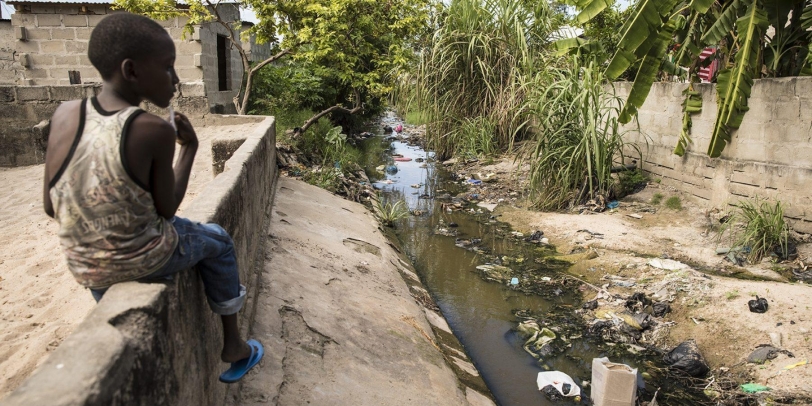
Access to safe water, sanitation, and effective disease prevention remains a critical challenge in informal settlements of Dar es Salaam. High population density and limited infrastructure increase the risk of waterborne diseases such as cholera and typhoid, as well as mosquito-borne diseases like dengue, disproportionately affecting vulnerable populations.
DAMAX Solutions has been engaged by the Regional Administrative Secretary (RAS) Office in Dar es Salaam, with funding support from Korea Foundation for International Healthcare (KOFIH), to conduct this study across urban informal settlements.
Approach
The study applies a mixed-methods cross-sectional design across selected wards in Kinondoni, Temeke, and Ilala Municipal Councils.
Household surveys and health facility assessments to generate quantitative data
Key informant interviews and focus group discussions to capture qualitative insights
Engagement of women of reproductive age, caregivers of children under five, and healthcare providers
Quantitative analysis includes descriptive and multivariable methods to identify disease patterns and risk factors, while qualitative data is analyzed thematically to understand community experiences and system gaps.
Expected Impact
The study will generate integrated evidence on disease burden, environmental and behavioral risks, and health system challenges.
Findings will support:
Improved urban primary healthcare services
Strengthened hygiene and sanitation practices
Enhanced prevention and response strategies for infectious diseases
The results will inform policy and program design under the Health Equity Promotion Project, contributing to better health outcomes in underserved communities.